



Mineral trace elements for dogs
Submitted by Reinhard Roderer on

Bewertung abgeben:
You Tube Video:
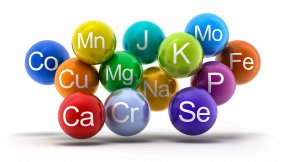
Minerals are divided into volumes - and trace elements. The concentration of the bulk elements located mostly in terms of grams, while the trace elements usually under 100 mg are to find. They are essential to life and are used for the construction and reconstruction of body substance. In addition, important life processes are controlled by minerals.
Relevant quantities of items for the dog
- Calcium and phosphorus
- Magnesium
- Potassium
- Sodium and chlorine
Trace elements for the dog
- Iron
- Copper
- Zinc
- Manganese and cobalt
- Iodine
- Selenium
- Other trace elements
Dosage of mineral substances for dogs
Some nutrients are the recommended range (see below) not significantly under-or exceed. Then, deficiency symptoms and health problems threaten the dog. Most puppies need attention in terms of nutrition.
Minerals such as magnesium, calcium and phosphorus are needed by the dog in larger quantities (more than 50 mg / kg). Here, the ratio also plays a role among each other. But also trace elements such as iron, copper, zinc, iodine selenium play an important role in blood vessels, teeth and skin.
- Magnesium (mg 12 mg)
- Calcium - calcium (80 mg milligrams)
- Phosphorus (60 mg milligrams)
- Iron (1.4 mg milligrams)
- Zinc (1 mg milligrams)
- Copper (100-200 µg microgram)
- Iodine (15-25 µg microgram)
- Selenium (2.5-5 µg microgram)
Overdose of minerals
Minerals can affect each other: E.G. by excess of a mineral substance, the recording of another element is inhibited and the result is a lack of.
Minerals must be carried to the dog through the feed, because he can not produce them. To do this you must know what mineral is present in the food. Because also in meat are minerals, which has recorded the cow while browsing and has built-in in their organism.
Then get these nutrients in the dog's stomach intestinal area and must be solved first of their compounds. This is done through the stomach acid and organic acids of bacterial origin. It then form solutions that are either alkaline or acidic and are important so for the acid - bases - balance of the body.
Minerals as bases and acidifying agents
Base leaders
- Iron
- Potassium
- Lime
- Magnesium
- Sodium
Acidifying agents
- Phosphorus
- Sulphur
- Iodine
- Chlorine
- Fluorine
You should see the minerals calcium and phosphorus in the diet of the dog together because they are bound closely together in their effect on the organism and an imbalance can lead to serious consequences.












Hi Bibi,
ein fachmännischer Rat dazu würde mich auch interessieren. Ich kann Dir nur aus meiner Erfahrung sagen, dass für einen erwachsenen Golden Retriever es unkritisch ist, ab und zu mal ein bis zwei Nüsse mit zu füttern. Den hohen Fettgehalt der Nüsse kann man für die Futterration mit einrechnen, wenn man es ganz genau nehmen will.
Ich hab bis jetzt Wallnüsse, Haselnüsse und Erdnüsse gelegentlich seit 4 Jahren mit verfüttert.
Grüße Noah